/ HISTORY
City's memory by the Dangė
The location at Žvejų g. 2B has been linked for centuries with the port of Klaipėda, trade, and city life. The city's first scales operated here, and later a building was erected that became the home of the 'Salamander' shoe store and a symbol of quality.
/ 16th–18th c.
Town Weigh House
As early as the 16th–17th centuries, Klaipėda emerged as a strategically vital center of trade and movement, connecting different lands and cultures. The first city scales operating on the plot at Žvejų St. 2B (formerly Friedrich-Wilhelm St. 23/24) became an integral part of this vibrant port.
Here, ships with exotic goods were welcomed, which had to be carefully weighed to accurately determine customs duties. The funds collected by the scales became nearly the primary income of the city.

This is where the story began, which is inseparable from the Dangė River and the growing port of Klaipėda.

/ 19th century
New building on the waterfront
The scales building made way for the first residential building on the Danė river embankment, which housed a shoemaker's workshop in the early 20th century, and later – a shoe store.
/ THE 1920S
The "Salamander" name in Klaipėda
Thanks to the only representation of the famous German shoe manufacturers established in the entire Lithuania Minor, the building acquired the resonant name "Salamander" and became a symbol of luxury and quality, recognizable to this day.
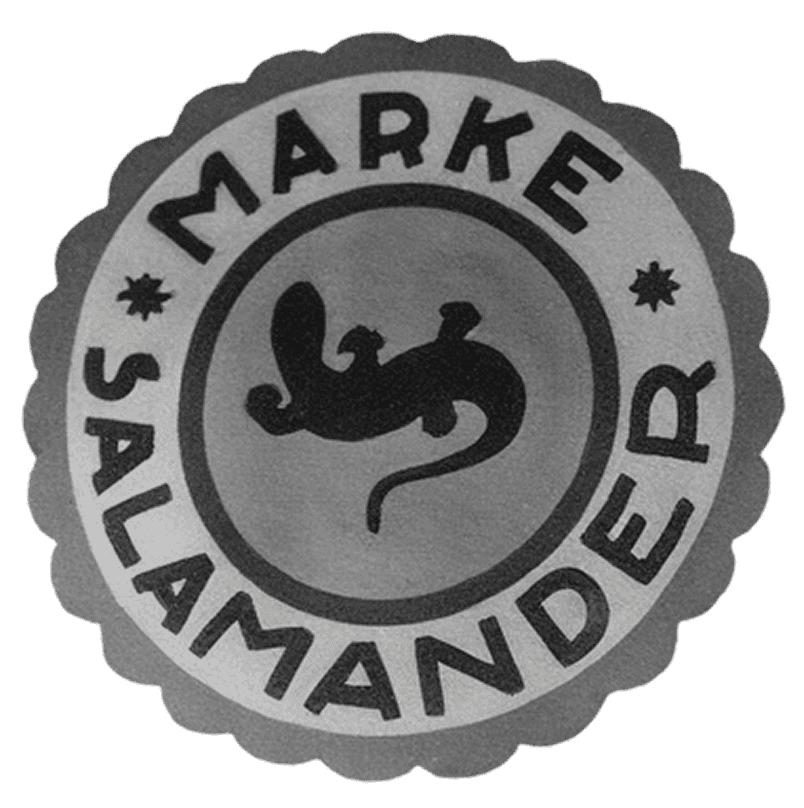
Once marking the shop, "Salamander" eventually became the memory of the entire building.


/ 1944–1947
Interrupted story
In 1944, Soviet aviation bombs turned the building into a ruined skeleton. What war did not destroy, ideology finished off: in 1947, the Soviet authorities decided that the battered symbol of the "German past" was not needed by the city, and finally destroyed the building.
/ 2002–2026
Returned to the embankment

The history of the building survived not only in plans or archives. It survived in people's memory.
/ FAMILY ARCHIVE
History, preserved in photos

In 2024, the project's history was enriched by a special discovery. As construction got underway, Helen Winkler (formerly Helen Jundler) from Toronto shared her family history: her grandfather Samuel Jundler was the owner of the 'Salamander' store from the 1920s until the beginning of the Second World War. She sent photos from 1937 preserved in the family archive, capturing the store, the staff, and her grandparents.
/ HERITAGE
What has survived until today
When restoring the building, the aim was to preserve the connection with the local history – from the architectural forms to the 'Salamander' brand.


Today, "Salamander" once again invites people to the Dangė embankment. Where goods were once weighed, workshops operated, and townspeople gathered, spaces are now being created for relaxation, meetings, and a new way to experience Klaipėda. The restored history here does not become a museum, but a living place — a building where you can stay, return, and become a part of its continuing history.